Español
 English
 Português PT
 Italiano
 Français
 Deutsch
 14 Days Return
Simple and fast returns management so you can shop with complete confidence.
 Free shipping
On orders over €99
 Technical Advice
Unsure about the replacement part? Contact us via WhatsApp and we'll verify the exact part for you.
 100% Secure Payment
Transactions are protected with SSL and HTTPS encryption. Shop with complete peace of mind.
Function and technical context
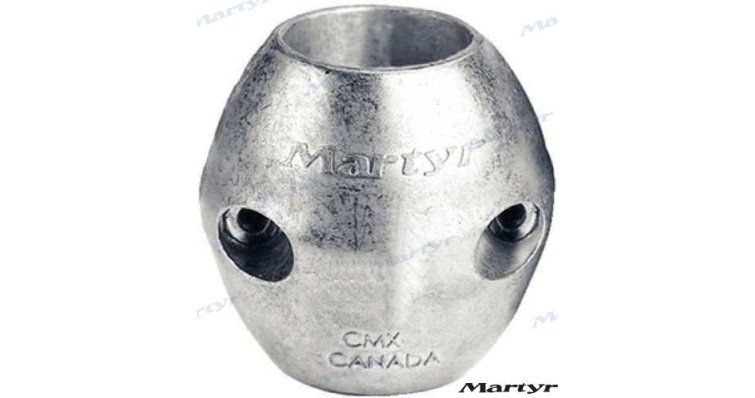
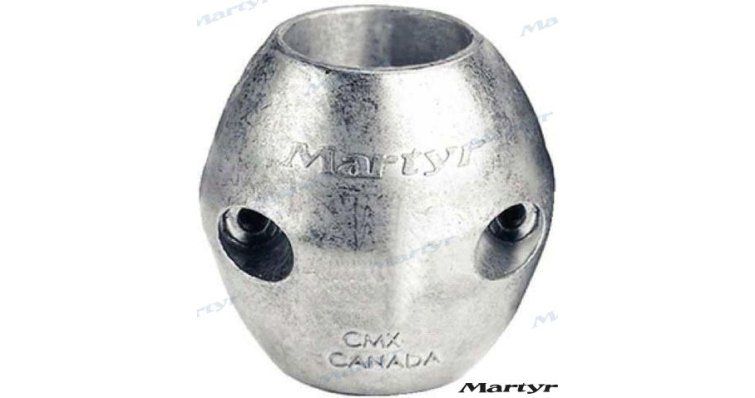
The shaft anode is the key element of the cathodic protection system in shaft-powered vessels, acting as a sacrificial metal that absorbs galvanic corrosion before it affects structural components such as the tailshaft, propeller or bearings. With a diameter of 45 mm, this anode is installed directly on the propulsion shaft, in contact with sea or brackish water, where the electrochemical processes are more aggressive. Its presence guarantees that electrolytic degradation is concentrated in the anode and not in the metal parts of higher value and difficult to replace. Without active cathodic protection in good condition, the propulsion shaft can suffer pitting, sectional thinning and, in extreme cases, structural failure while sailing.
When to replace this part?
The shaft anodes must be inspected at least once a season, coinciding with the annual beaching of the boat, and replaced when they show wear greater than 50% of their initial mass, a sign that they no longer offer sufficient protection. The most common symptoms of a depleted or missing anode are the appearance of pitting or orange stains on the propulsion shaft, visible corrosion on the propeller or loss of material on bushings and horns. Replacing the anode preventively at each grounding is the most economical measure to avoid the deterioration of transmission elements whose repair or replacement involves much higher costs.
| Marca / Motor | Diámetro de eje compatible | Observaciones |
|---|---|---|
| Uso general — embarcaciones con eje de cola | 45 mm | Compatible con cualquier instalación de eje de propulsión de 45 mm de diámetro, independientemente del fabricante del motor |