
 Español
 English
 Português PT
 Italiano
 Français
 Deutsch
 14 Days Return
Simple and fast returns management so you can shop with complete confidence.
 Free shipping
On orders over €99
 Technical Advice
Unsure about the replacement part? Contact us via WhatsApp and we'll verify the exact part for you.
 100% Secure Payment
Transactions are protected with SSL and HTTPS encryption. Shop with complete peace of mind.
Function and technical context
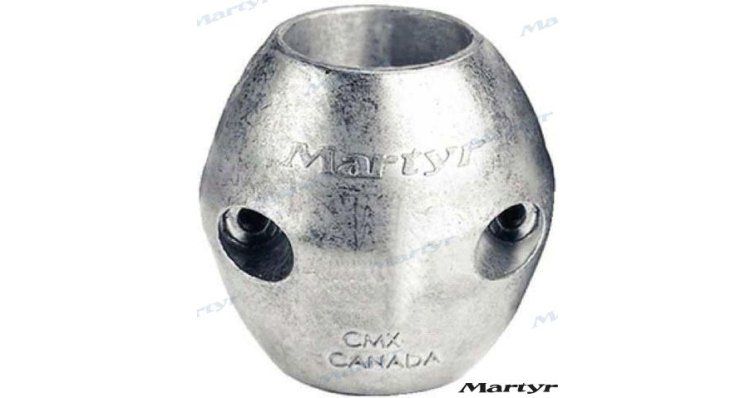
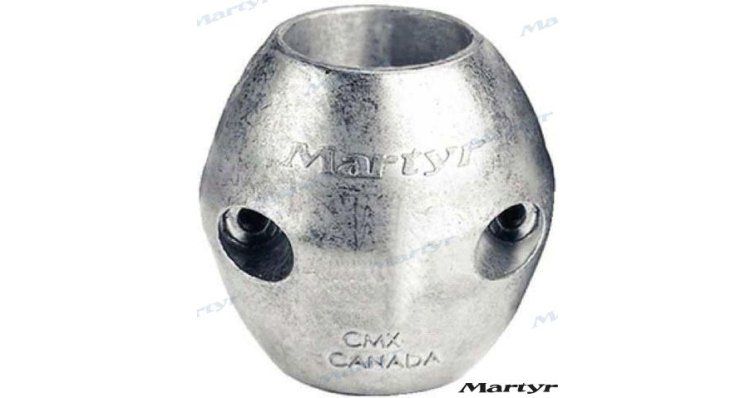
The shaft anode is a critical component within a vessel's cathodic protection system, specifically designed to be installed around the propulsion tail shaft. Its mission is to act as a sacrificial metal, attracting electrolytic corrosion that would otherwise attack the shaft, propeller, horn seals and other higher-value submerged metals. With a diameter of 75 mm, this anode is sized to precisely adapt to shafts of that size, guaranteeing correct electrical contact and uniform protection throughout the critical transmission area. Without active cathodic protection, galvanic corrosion can deteriorate the tail shaft in a few seasons, causing vibrations, leaks in the horn and even rendering the propulsion system unusable.
When to replace this part?
Shaft anodes should be inspected at least once a season, usually coinciding with the annual beaching. The unmistakable sign that the anode is exhausted is when it has lost between 50% and 70% of its mass: at that point it has stopped offering effective protection and must be replaced immediately. If pitting corrosion is observed on the shaft itself or greenish discoloration around adjacent brass parts, it is likely that the anode has failed prematurely, which may indicate a leakage current or grounding problem in the boat's electrical circuit. Replacing the anode preventively at each grounding is the most economical measure to avoid serious damage to the shaft and horn seals, the repair or replacement of which involves a much higher cost.
| Marca / Fabricante | Motor / Aplicación | Observaciones |
|---|---|---|
| No se dispone de datos de compatibilidad específicos por motor para este ánodo. El criterio de selección principal es el diámetro del eje: 75 mm. Consulte con su mecánico naval o contacte con nosotros para verificar la compatibilidad con su embarcación. | ||
