
 Español
 English
 Português PT
 Italiano
 Français
 Deutsch
 14 Days Return
Simple and fast returns management so you can shop with complete confidence.
 Free shipping
On orders over €99
 Technical Advice
Unsure about the replacement part? Contact us via WhatsApp and we'll verify the exact part for you.
 100% Secure Payment
Transactions are protected with SSL and HTTPS encryption. Shop with complete peace of mind.
Function and technical context
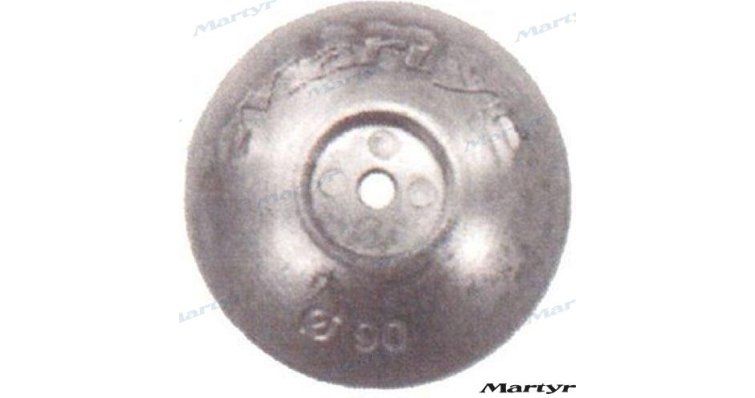
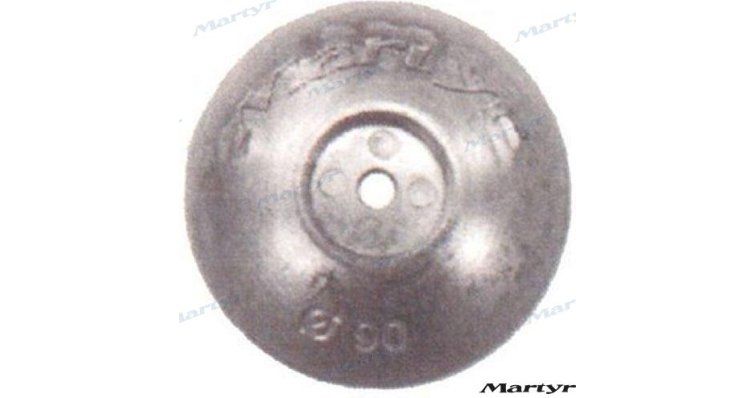
Rudder anodes act as sacrificial cathodic protection on the submerged metal surfaces of the vessel, specifically in the area of the rudder and steering blade. Its function is to attract galvanic corrosion generated by the difference in electrical potential between different metals in contact with water, consuming themselves instead of damaging the structural parts of the rudder. This 140 mm diameter anode (reference CMF140) is designed to be mounted directly on the rudder shaft or blade, forming an effective electrochemical barrier. Without sacrificial protection in good condition, galvanic corrosion can attack the rudder itself, the pintle or the mounting hardware, compromising the maneuverability of the boat and causing high-cost structural repairs.
When to replace this part?
The clearest sign that the rudder anode needs to be replaced is when it has lost between 50% and 70% of its mass, presenting an irregular, eroded or disintegrated surface; If the anode appears practically intact after a season, it may indicate a problem with electrical continuity or metallic contact with the rudder that should also be checked. Replacement is recommended at least once per nautical season, coinciding with the annual beaching and inspection of the hull, regardless of the degree of visible wear. Preventatively changing the anode at each grounding is the most economical practice to ensure rudder integrity and avoid costly underwater metalwork repairs.
| Marca / Fabricante | Modelos / Aplicación |
|---|---|
| Uso general | Timones de embarcaciones de recreo y profesionales con eje o pala de 140 mm — consultar compatibilidad con su instalación específica |
