Español
 English
 Português PT
 Italiano
 Français
 Deutsch
 14 Days Return
Simple and fast returns management so you can shop with complete confidence.
 Free shipping
On orders over €99
 Technical Advice
Unsure about the replacement part? Contact us via WhatsApp and we'll verify the exact part for you.
 100% Secure Payment
Transactions are protected with SSL and HTTPS encryption. Shop with complete peace of mind.
Function and technical context
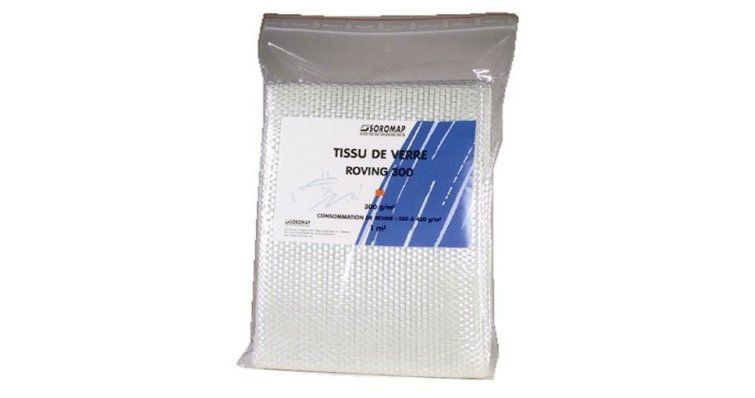
Braided roving fabric is a fiberglass structural reinforcement material used in the construction and repair of boat hulls, decks and structural components. Its interlocking braid architecture provides multi-directional strength, distributing mechanical loads evenly across the laminate surface. This type of fabric is impregnated with polyester, vinylester or epoxy resins to form composite laminates of high rigidity and durability, being essential in fibering work both in the shipyard and in on-board repairs. Correct application guarantees the structural integrity of the hull and prevents delamination, moisture ingress and premature deterioration of the laminate.
When to replace or use this fabric?
It is necessary to resort to roving braided fabric when signs of delamination, osmosis, structural impacts or cracks are detected in the fiberglass laminate of the hull or structural elements of the boat. In osmosis repairs, the work cycle includes complete sanitation of the affected area and subsequent refiberation with this type of fabric to recover the thickness and mechanical resistance of the laminate. It is recommended to check the condition of the laminate at each annual beaching and act preventively in the event of any areas with bubbles, discoloration or loss of surface cohesion, since early intervention avoids larger and more costly repairs.
| Aplicación | Uso recomendado |
|---|---|
| Construcción y reparación de cascos de fibra de vidrio | Refuerzo estructural y fibrado en laminados de poliéster, viniléster y epoxi |
| Reparación de osmosis en embarcaciones | Restitución del laminado tras saneado de zonas afectadas |
| Componentes estructurales náuticos (cubiertas, mamparos, quillas de fibra) | Refuerzo multicapa en zonas de alta solicitación mecánica |