































 Español
 English
 Português PT
 Italiano
 Français
 Deutsch

Best sellers
Don't know the part number?
Find the exact part in your engine's exploded view by model or serial number.
All inboard parts →Questions? Ask us on WhatsAppBest sellers
Don't know the part number?
Find the exact part in your engine's exploded view by model or serial number.
Most searched families
Have the original part number?
Type it in the search box: every SLP part lists its Volvo, Renault and Scania equivalents. For trucks, buses and machinery.
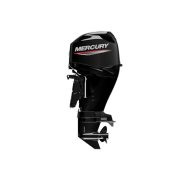
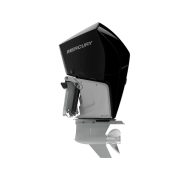
All industrial vehicle parts →Questions? Ask us on WhatsAppMercury ranges
Most popular engines
Configure your engine
Choose range, power, controls and shaft and see the official price instantly.
See all Mercury engines →Questions? Ask us on WhatsAppCategories
Most popular
Can't find what you need?
Send us a photo or the part number on WhatsApp and we'll find it for you.
View all · Nautical Accessories →Questions? Ask us on WhatsAppCategories
More categories
Can't find what you need?
Send us a photo or the part number on WhatsApp and we'll find it for you.
View all · Maintenance →Questions? Ask us on WhatsAppCategories
Most popular
Can't find what you need?
Send us a photo or the part number on WhatsApp and we'll find it for you.
View all · Electrical & Lighting →Questions? Ask us on WhatsAppCategories
More categories
Can't find what you need?
Send us a photo or the part number on WhatsApp and we'll find it for you.
View all · Marine Electronics →Questions? Ask us on WhatsAppCategories
More categories
Can't find what you need?
Send us a photo or the part number on WhatsApp and we'll find it for you.
View all · Cleaning & Maintenance →Questions? Ask us on WhatsAppCategories
Can't find what you need?
Send us a photo or the part number on WhatsApp and we'll find it for you.
View all · Marine Tools →Questions? Ask us on WhatsAppBest sellers
Need help choosing?
Tell us length, engine and use, and we'll recommend the right inflatable or RIB.
View all · RIBs →Questions? Ask us on WhatsApp
 14 Days Return
Simple and fast returns management so you can shop with complete confidence.
 Free shipping
On orders over €99
 Technical Advice
Unsure about the replacement part? Contact us via WhatsApp and we'll verify the exact part for you.
 100% Secure Payment
Transactions are protected with SSL and HTTPS encryption. Shop with complete peace of mind.
Function and technical context
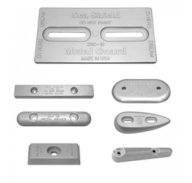
Fish-shaped sacrificial anodes are fundamental elements within the cathodic protection system of a boat hull. Its function is to act as a sacrificial metal, oxidizing in a controlled manner to protect the submerged metal parts of the hull—propellers, shafts, keels and aluminum or steel structures—against galvanic and electrolytic corrosion. This electrochemical process is inevitable in aquatic environments, especially in salt or brackish water, where the conductivity of the medium accelerates the degradation of the noble metals in the vessel. Without adequate cathodic protection, critical hull surfaces and submerged appendages can suffer from pitting, erosion and structural failure that compromises both the integrity of the vessel and safety on board.
When to replace this part?
The main indicator that a sacrificial anode needs to be replaced is the visible mass loss: when the anode has lost approximately 50% of its volume, its protective capacity is exhausted and it must be replaced before the metal areas of the hull become unprotected. The inspection of the anodes must be carried out at least once a season, coinciding with the annual beaching of the boat, and in frequent navigation in areas of high salinity or with parasitic electrical currents, a semiannual inspection may be necessary. Replacing the anode preventively is the most economical measure to avoid major repairs to the hull, shaft or propeller, breakdowns that can be especially costly and dangerous on the high seas.
| Aplicación | Observaciones |
|---|---|
| Cascos de embarcaciones de recreo y profesionales | Ánodo de casco de uso general. Consulte con su técnico naval la compatibilidad con su tipo de casco y configuración de apéndices sumergidos. |