Español
 English
 Português PT
 Italiano
 Français
 Deutsch
 14 Days Return
Simple and fast returns management so you can shop with complete confidence.
 Free shipping
On orders over €99
 Technical Advice
Unsure about the replacement part? Contact us via WhatsApp and we'll verify the exact part for you.
 100% Secure Payment
Transactions are protected with SSL and HTTPS encryption. Shop with complete peace of mind.
Function and technical context
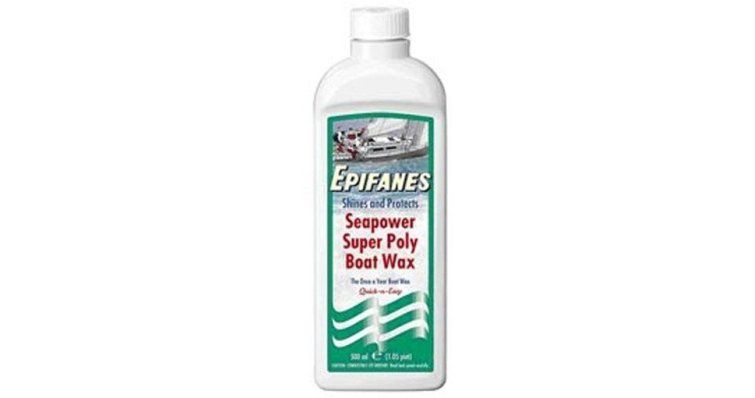
Seapower Super Poly Boat Wax acts as a protective barrier on the gelcoat, fiberglass and painted surfaces of the boat, forming a film of synthetic polymers that repels water, salt deposits and ultraviolet radiation. Its application is part of the exterior maintenance system of the hull and deck, protecting surfaces exposed to the marine weather against oxidation, yellowing and loss of shine. Regular treatment with high-polymer wax is essential to preserve the surface aesthetic and structural integrity of the hull: without this protective layer, the gelcoat loses adhesion, becomes porous and encourages the accumulation of biological fouling and mineral deposits that are difficult to remove. The 500 ml format is ideal for both medium-length boats and for periodic maintenance treatments in localized wear areas.
When to apply or renew this treatment?
The most common symptoms that indicate that the hull needs a new application of protective wax are the loss of hydrophobic effect (the water no longer forms drops and slides, but spreads in a sheet), the appearance of rust stains or lime deposits resistant to washing, and the dulling of the shine of the gelcoat even after thorough cleaning. For boats in active use in salt waters or areas of high sunshine, it is recommended to apply polymer wax at the beginning and end of each nautical season, as well as after polishing or deoxidation processes of the hull. Applying Seapower Super Poly Boat Wax preventively when removing the boat from the water prevents the gelcoat from requiring more aggressive and expensive abrasive treatments the following season.
| Tipo de superficie | Aplicación |
|---|---|
| Gelcoat y fibra de vidrio | Cascos, cubiertas y superestructuras de embarcaciones de recreo |
| Superficies pintadas | Esloras, toldillas y zonas repintadas con esmaltes náuticos |
| Superficies en poliéster y composite | Embarcaciones a motor, veleros y embarcaciones neumáticas rígidas (RHIB) |