
 Español
 English
 Português PT
 Italiano
 Français
 Deutsch
 14 Days Return
Simple and fast returns management so you can shop with complete confidence.
 Free shipping
On orders over €99
 Technical Advice
Unsure about the replacement part? Contact us via WhatsApp and we'll verify the exact part for you.
 100% Secure Payment
Transactions are protected with SSL and HTTPS encryption. Shop with complete peace of mind.
Function and technical context
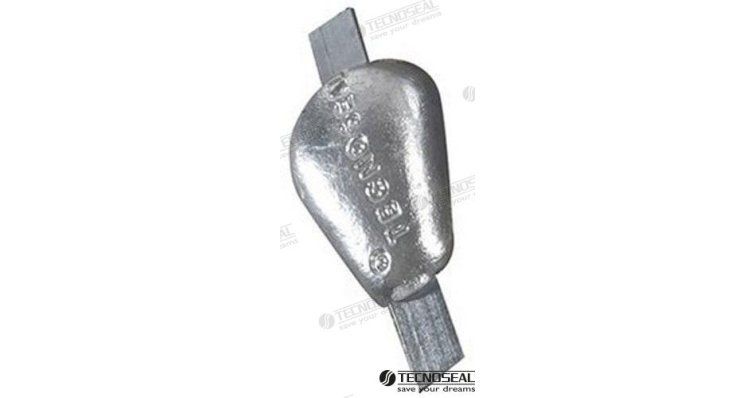
Fish-shaped sacrificial anodes with insert are cathodic protection elements designed to be mounted on the hull, propeller shaft or keel of vessels operating in salt or brackish water. They act as an active base metal that preferentially corrodes, protecting the noble metal parts of the boat—propellers, shafts, rudder arms, outboard motor bodies and engine tail—against galvanic and electrolytic corrosion. The interior metal insert allows direct fixation by screw, guaranteeing permanent electrical contact with the structure to be protected. Without effective cathodic protection, submerged aluminum, bronze and stainless steel components degrade rapidly, causing pitting, structural failure and costly shipyard repairs.
When to replace this part?
A sacrificial anode should be replaced when it has lost approximately 50% of its mass, when it has a smooth, compact surface without active corrosion pockets, or when visual inspection at the dock or during fairing reveals that it has been reduced to a residual core close to the insert. The usual preventive maintenance guideline for anodes on boats with regular use is replacement each season or, at a minimum, on each annual fairing, regardless of apparent wear. Changing the fish anode preventively is the most economical measure to avoid pitting of shafts and propellers, damage to bearings or corrosion of the tail body, breakdowns that on the high seas or during a fishing campaign can completely immobilize the boat.
| Marca | Aplicación / Motor | Observaciones |
|---|---|---|
| Universal | Embarcaciones con eje porta-hélice, casco o quilla con fijación roscada | Uso en agua salada y salobre. Verificar material del ánodo (zinc) según tipo de agua |
