
 Español
 English
 Português PT
 Italiano
 Français
 Deutsch
 14 Days Return
Simple and fast returns management so you can shop with complete confidence.
 Free shipping
On orders over €99
 Technical Advice
Unsure about the replacement part? Contact us via WhatsApp and we'll verify the exact part for you.
 100% Secure Payment
Transactions are protected with SSL and HTTPS encryption. Shop with complete peace of mind.
Function and technical context
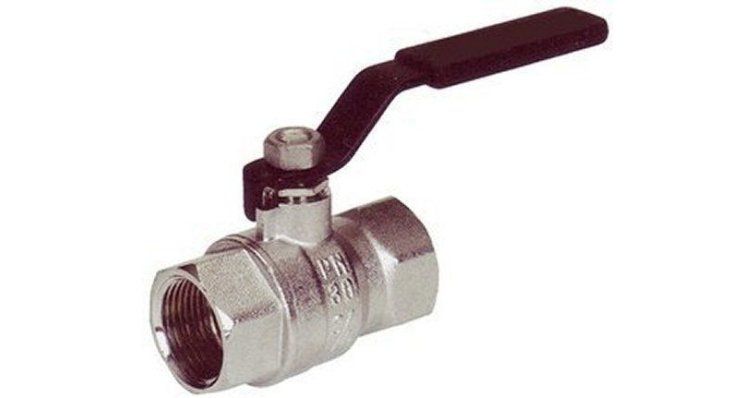
Ball valves are fundamental cutting elements in boat piping systems, allowing the flow of water, fuel or any onboard fluid to be interrupted or restored with a simple 90° turn of the handle. Thanks to its chrome-plated brass body, stainless steel ball and Teflon (PTFE) gaskets, this component combines resistance to marine corrosion with lasting tightness under conditions of continuous use. The stainless steel handle ensures safe operation even in humid and saline environments, where conventional materials degrade quickly. Its installation in thru-hulls, seawater intakes, cooling circuits or 2-inch bilge systems makes it a critical safety piece: a failure in the closure can lead to the uncontrolled entry of water into the hull or the interruption of a vital navigation circuit.
When to replace this part?
The most common symptoms that indicate that a ball valve needs to be replaced are: visible leaks in the body or at the ends of the connection, excessive resistance or inability to turn the handle (seizing due to internal corrosion or lime deposits), and loss of tightness in the closed position that allows the passage of fluid. It is recommended that ball valves be inspected at each seasonal maintenance, paying special attention to those located at or below the waterline, where failure has immediate consequences. Preventively replacing a valve with symptoms of deterioration before each navigation season prevents serious breakdowns and flooding at sea.
| Marca / Sistema | Aplicación | Observaciones |
|---|---|---|
| Uso general náutico | Sistemas de tuberías de 2" en embarcaciones de recreo y profesionales | Pasacascos, tomas de mar, circuitos de achique, refrigeración y combustible |
